Infrastructure and privacy
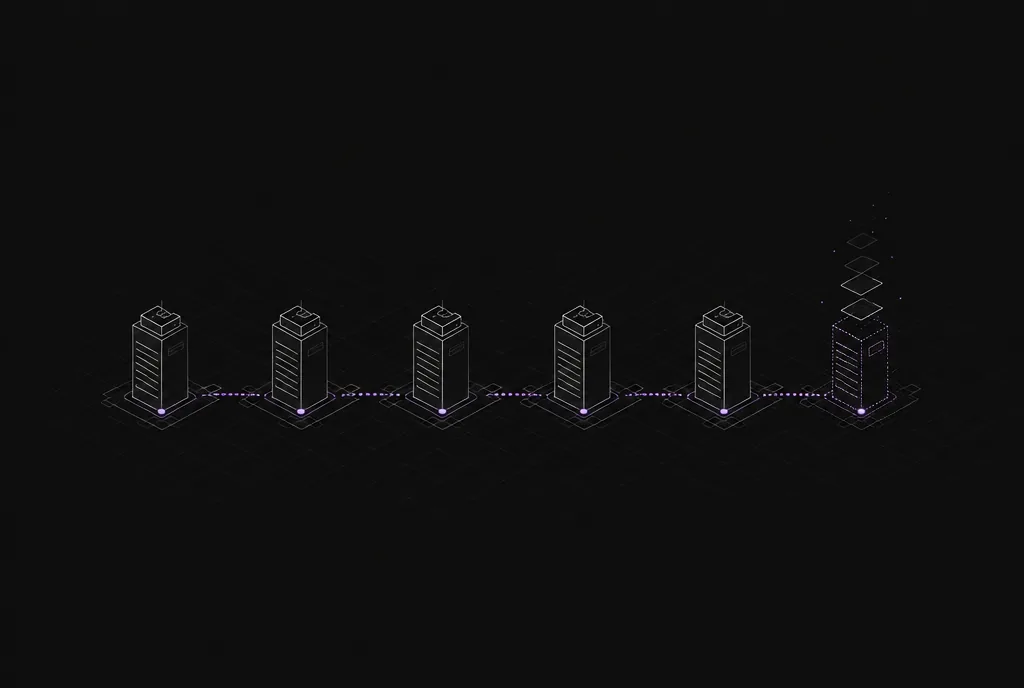
Each server is a Firecracker microVM on Fly.io. Each lease gets its own Fly app with one machine in it, created through the Machines API, so deleting the app at the end removes the machine, its disk and its address together.
Boot
When your open() confirms, the app (or your agent, through POST /leases/{id}/boot) asks for the server. The template's public image is pulled, the machine starts in the region you chose, and the lease page switches to running, usually within seconds. If nobody calls boot within a minute, the keeper boots the default Ubuntu box for the lease, so a paid lease always gets its server.
Network
- Each app gets a shared IPv4 and a dedicated IPv6 address.
- Templates with a port answer on
https://nora-<lease>-<id>.fly.devwith TLS terminated at the edge. - SSH, when you paste a key on Ubuntu or the Agent box, is reachable on port 22 over IPv6.
- Outbound traffic is metered against the lease's allowance (see Pricing).
The keeper
A small always-on process reads the chain every few seconds. It boots paid leases that have no server, deletes servers whose lease was closed or ran out, and calls settle(). It reads settled on-chain before every settle, so a lease is never settled twice, and if it stopped for good, settleExpired() lets anyone return your unused USDG three days after the end.
Privacy
- No account, no email, no KYC form. The wallet that pays is the only identity Nora knows.
- Env vars go straight into the machine's configuration at boot. Nora does not store them anywhere of its own.
- When a lease ends, the machine, the app and the disk are deleted. Nothing of the server is kept.
- Nora keeps no logs of what runs on your server. What is public is what the chain records: the lease, its times and its amounts.
- The infrastructure provider sees the server as any cloud provider sees a machine it runs: its image, its size and its traffic.
Acceptable use
No mining, no spam, no attacks on other systems, nothing illegal. A server that breaks this is stopped and its lease settled with the time it ran. The full text is in the Terms of Use.