Real public images on real Linux servers
 Fly.io
 Ubuntu
 Node.js
 Python
 Bun
 Ollama
 Docker
A real Linux server with a terminal and an HTTPS address, rented by a wallet and paid by the second in USDG. No account. Stop it whenever you want and the unused balance comes back in the same transaction that settles the lease.
Real public images on real Linux servers
Fly.ioUbuntuNode.jsPythonBunOllamaDockerPay by the second
You prepay the time you want into the lease contract. close() stops the meter at that second, from your wallet, without asking us. The keeper deletes the server, charges the seconds it ran and sends the rest back to you in the same transaction. If the keeper never settles, anyone can settle the lease three days after its end and your refund still lands.
Open
One USDG approve and one open() escrow the time you want, from 10 minutes to 72 hours
Boot
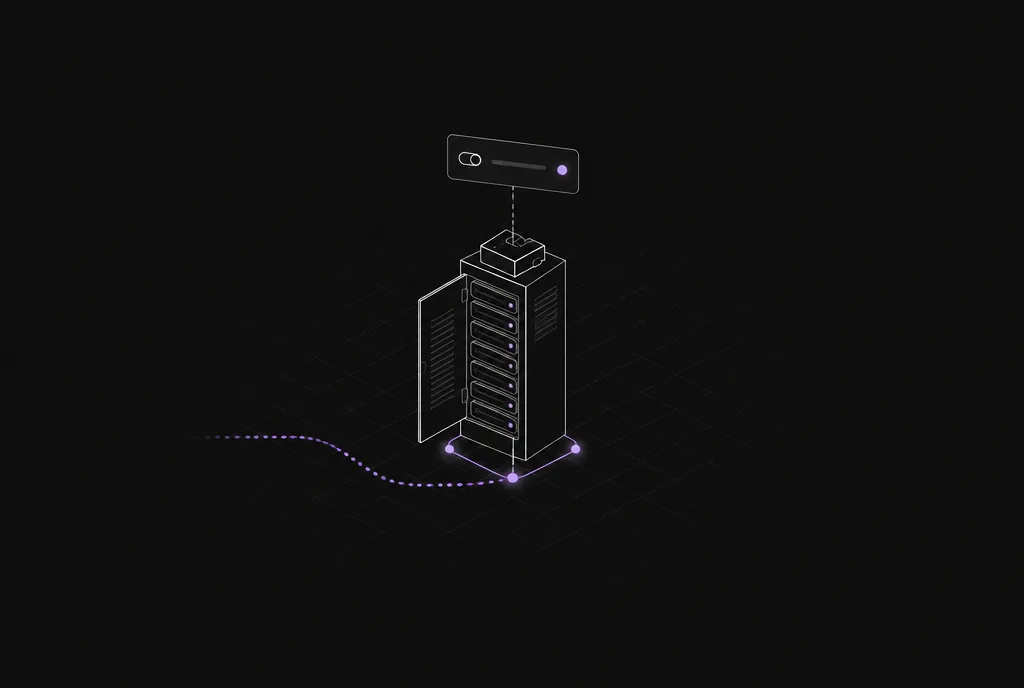
The server starts as soon as the transaction confirms, with an HTTPS address when the template has a port
Use
A web terminal, the exec API and your env vars, signed in with your wallet, no account
Close and settle
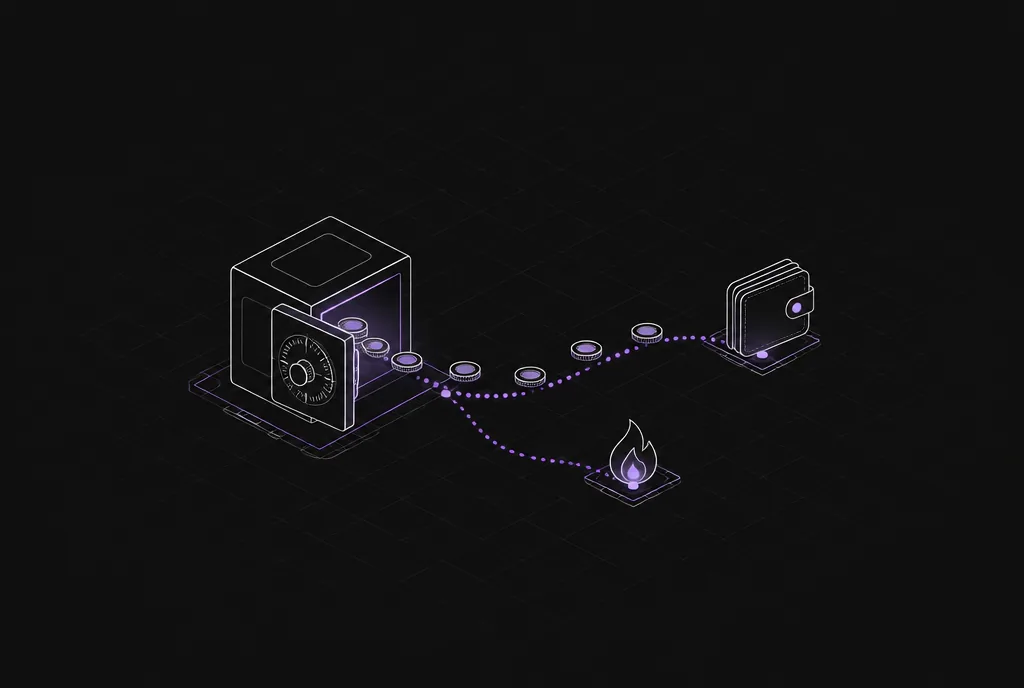
close() stops the meter at that second. Used time is charged, 80% treasury and 20% burn vault, the rest comes back to you
The same lease contract sits behind the app, the API and the MCP tools.
Open the app, connect a wallet, pick Ubuntu or Node and a size, and pay for the minutes you want. The server boots in seconds with a terminal in the page and an HTTPS address. Stop it from the app and the unused USDG is back in your wallet.
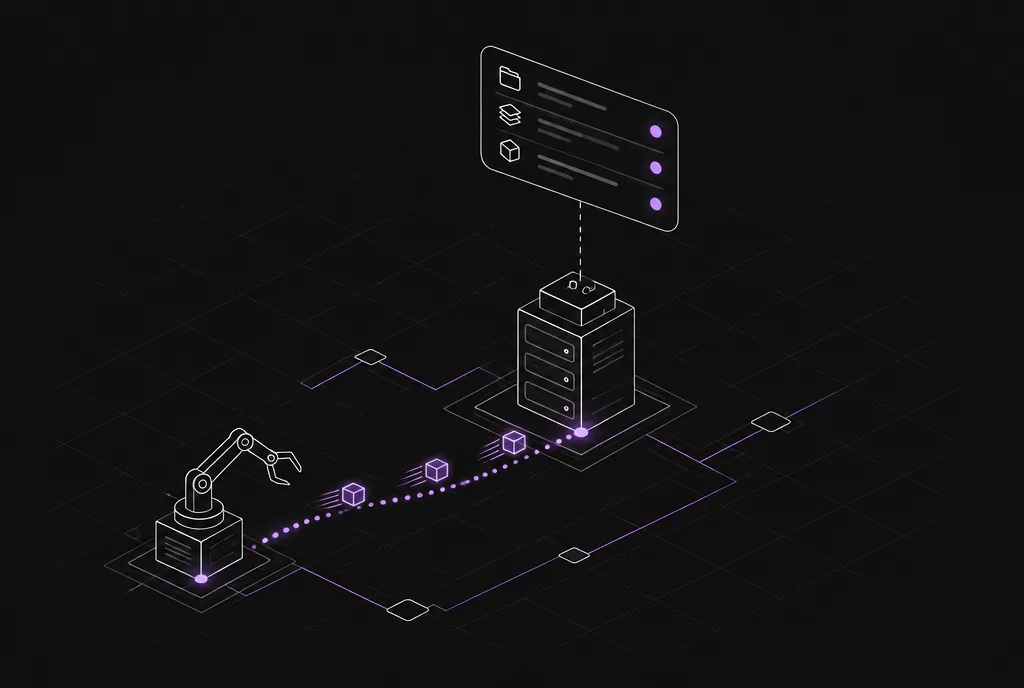
Rent a serverAn agent with a wallet calls the HTTP API: it gets the calldata for approve and open, signs it, boots the server, runs commands through exec and closes the lease when the job is done. The SDK does the same in one file for Node.
Read the Agents APIPoint Claude Desktop, Claude Code or any MCP client at the local server in nora.mjs. It exposes list_plans, rent_server, exec, server_status and stop_server, and signs with the key you give it, nothing else.
Set up the MCP server
The wallet that pays is the only identity. No email, no card, no form. An agent with a key and a few cents of USDG can rent a machine without a human in the loop.
Price, start, end and refund are fields of your lease on Robinhood Chain. Anyone can read them, and close() is yours to call.
Each lease is its own app with its own machine and disk. When the lease ends all three are destroyed, and your env vars were never stored by us in the first place.
Prices in USDG per hour, charged per second, from 10 minutes to 72 hours per payment, extendable.
nano
1 shared vCPU · 256 MB
0.008 USDG/h
0.00000222 / s
micro
1 shared vCPU · 1 GB
0.020 USDG/h
0.00000556 / s
small
2 shared vCPU · 2 GB
0.040 USDG/h
0.00001111 / s
perf
1 dedicated vCPU · 2 GB
0.100 USDG/h
0.00002778 / s
perf-2
2 dedicated vCPU · 4 GB
0.200 USDG/h
0.00005556 / s
The app, the contract and the API, one page each.
A nano box for ten minutes costs a fraction of a cent. Connect a wallet with a little USDG and ETH for gas on Robinhood Chain, and you have a shell in under a minute.